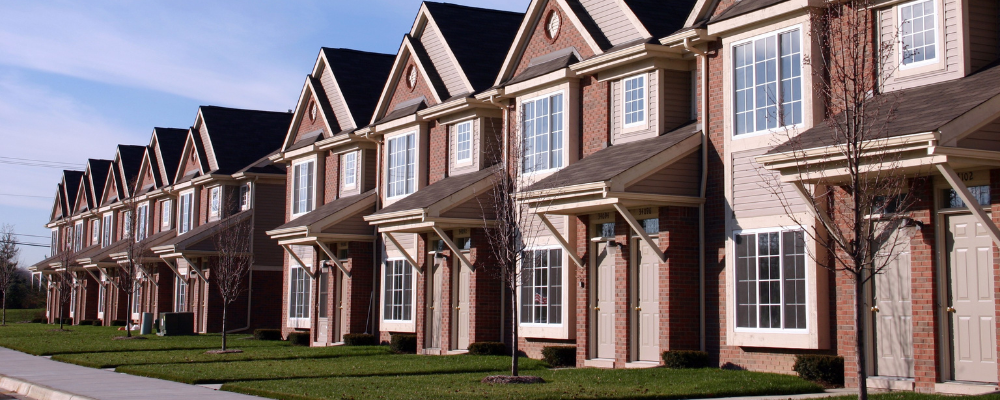
Calgary is growing — and with that growth comes a pressing need for more diverse, affordable, and sustainable housing options. For decades, Calgary's housing market has been primarily made up of two extremes: single-family homes and high-rise apartments. What’s missing? Something in between — and that’s exactly where "middle housing" comes in.
In this article, we explore why middle housing matters for Calgary’s future.
What Exactly Is Middle Housing?
Middle housing includes a variety of home types that are meant to bridge the gap between detached single-family homes and larger multi-family apartment buildings. These include duplexes, triplexes, fourplexes, townhomes, live/work units, and even accessory dwelling units (ADUs) like backyard suites and carriage homes. They also include secondary suites like basement suites, found in existing single family homes.
These "middle housing" properties are most often built within existing communities with established infrastructure such as roads, transit, schools, shops and services, offering flexible options for people at all kinds of different “ages, stages, and wages.”
Why Middle Housing Matters
1. Addressing Calgary’s Housing Crisis
Calgary, like many large Canadian cities, is facing issues around housing affordability and supply of homes for rent or purchase. Traditionally, most housing options have been either large, detached homes or downtown condos — leaving a “missing middle” for families, first-time buyers, and middle-income earners.
Middle housing aims to help bridge that gap by introducing more diverse and affordable choices. For example, a duplex in a comparable community can be up to 23% cheaper than a detached home. A townhome can be even cheaper still.
By spreading rising land costs across multiple units, middle housing builders can create more affordable homes for those families earning $50,000–$100,000 annually.
2. Supporting Sustainable Urban Growth
The City of Calgary’s Municipal Development Plan aims for 50% of future population growth to occur within existing developed areas. Middle housing makes this goal achievable by promoting "gentle density" — adding more homes without dramatically changing a community’s character like larger multi-family developments often do.
This approach:
- Reduces urban sprawl and conserves greenfield land.
- Makes better use of existing roads, utilities, and transit systems.
- Supports vibrant, walkable communities where local businesses and amenities can thrive.
3. Encouraging Vibrant, Inclusive Communities
Middle housing supports a balanced mix of people, such as young professionals, retirees, and everyone in between. This diversity brings vitality and stability to communities, helping them evolve and grow together. Middle Housing also offers a sort of “housing ladder” — allowing residents to move within their community as their needs and incomes change, so they don't need to relocate.
Common Concerns — And How They’re Addressed
Understandably, change brings questions. Here’s how Calgary is addressing the most common community concerns around middle housing, which has been most talked about in terms of infill development in Calgary's inner city.
Maintaining Community Character
Concern: New, higher-density developments will disrupt established community aesthetics.
Response: Calgary’s design guidelines emphasize contextual, human-scaled architecture that intends for new developments to blend in with existing homes. Middle housing is low-rise by nature (1–4 stories), allowing for a more “gentle” density than high-rise construction. Most often, Calgary is seeing middle housing developments between 2-3 stories, similar in aesthetics to new single family homes being constructed nearby.
Parking and Traffic
Concern: More residents mean more cars and congestion.
Response: It is true that most Calgary families still have at least one car in their household. That said, this is starting to change as more new residents come from outside the city and transit options are improved. Most middle housing developments are also intentionally built in walkable areas, near transit routes and shopping, to attract residents who utilize these services rather than rely on their vehicles. Off-street parking and lane access solutions are also common, aiming to reduce strain on residential streets.
Privacy and Noise
Concern: Homes built closer together could lead to noise and privacy issues.
Response: Smart site planning, setbacks, and landscaping reduce sightlines and aims to minimize sound transmission. Calgary’s Community Standards Bylaw also enforces noise limits, ensuring a balanced community environment.
Infrastructure Capacity
Concern: Can local infrastructure handle more residents?
Response: Calgary is strategically planning growth through infill development and targeted infrastructure investments. In many cases, developers are also required to contribute to infrastructure upgrades as a term of their development approval. Many Calgarians agree that developing in existing communities is a more responsible choice than continually building out with the requirement for new infrastructure to be added. By adding homes where roads, schools, and utilities already exist, the city ensures efficient and sustainable service delivery.
Policy and Progress: Calgary Leads the Way
In 2024, Calgary took a bold, controversial step forward with a citywide rezoning initiative that allows multi-unit homes “as-of-right” in many residential areas. This landmark policy was designed to remove barriers to development, streamline housing approvals, and encourage more middle housing to be built faster.
Although contentious to say the least, it is hard to argue with the desired result; More housing choice, greater affordability, and a city that grows smarter — not just bigger.
Read our blog post here to learn more about the citywide rezoning, still a topic of hot debate in Calgary.
Building a Balanced Future
Middle housing isn’t just about buildings — it is about people, choice, and community. Middle housing aims to provide affordable homes for families, support local businesses, and help Calgary grow sustainably without losing its unique character.
By embracing middle housing, Calgary is trying to work towards a more inclusive, vibrant, and resilient future — one duplex, fourplex, and backyard suite at a time. Of course, middle housing is not appropriate in every location, but for the most part developers and residents seem to agree on this, focusing the majority of developments in busier, walkable, well serviced areas where they perform their best.
Want to talk about Middle Housing development? We're here to talk.