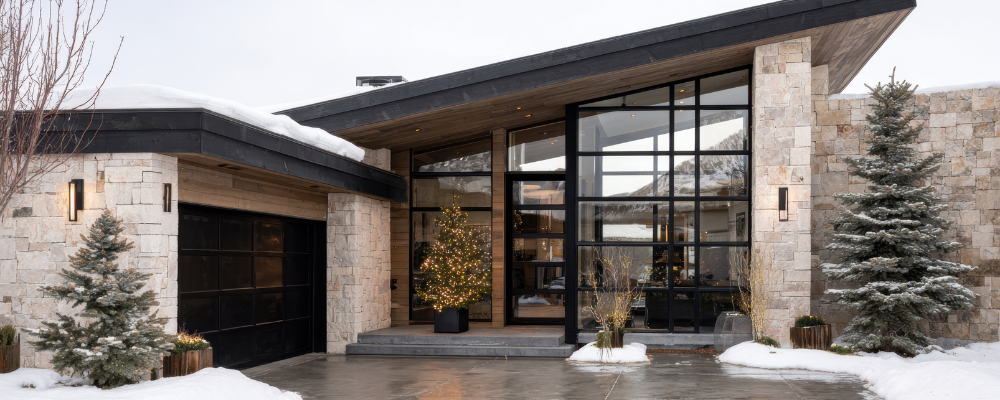
Whether you're preparing for your first winter in a new home or simply want to protect your investment, taking proactive steps will keep your home running smoothly, prevent costly repairs, and ensure everything performs as designed.
In this post, we'll walk through practical winter maintenance tips specifically for brand-new infill homes, so you can confidently navigate Calgary’s coldest months.
INITIAL WINTER HOME PREPARATIONS
Before the deep freeze sets in, make sure the following items are checked off—these steps help prevent system failures, moisture problems, and warranty issues.
1. Shut Down and Protect Exterior Systems
- Turn off the AC breaker at the main electrical panel.
With Chinooks, warm bursts can accidentally kick on your air conditioner—running an AC in winter can damage the unit. - Shut off and drain all exterior hose bibs.
Leave the exterior knobs open so air can escape and residual water has room to expand if it freezes. - Winterize your irrigation system.
Ensure your water is turned off and have the lines blown out professionally.
2. Prep Your Heating & Humidification Systems
- Switch your furnace humidifier to “winter mode.”
- Install a fresh furnace filter to help control humidity and keep the system running efficiently.
- Keep the basement in-floor heat between 21–22°C and never exceed 23°C, which can damage the flooring or overwork the system.
3. Avoid Salt or Ice Melt on Concrete
- New concrete is vulnerable in its first couple of winters.
- Use sand only—salt-based products can cause spalling and long-term damage.
4. Replace Batteries in Keyless Deadbolts
- Use lithium batteries and replace them every six months to prevent lockouts in cold weather.
MANAGING HUMIDITY
The Most Critical Winter Responsibility!
Brand-new homes naturally release moisture as materials cure. Combined with long cold spells, cooking, showering, and everyday living, humidity becomes the #1 cause of winter issues in new infill homes.
The recommended indoor humidity level in Calgary during winter is:
25–30%, and as low as 20% during extreme cold snaps.
25–30%, and as low as 20% during extreme cold snaps.
Failure to control humidity can lead to:
- Window condensation
- Frost buildup
- Swollen casings and trim
- Dripping bath fans (“attic rain”)
- Flooring damage
Key Humidity-Control Practices:
- Keep blinds and window coverings OPEN and raised at least 6 inches to allow airflow across the glass.
Closed blinds trap moisture and create frost buildup. - Run the home’s ventilation fan (HRV) for 4–6 hours/day during extreme cold.
Set it to Econo or run mode. This system removes warm, moist air and replaces it with drier outdoor air. - Run bathroom fans for at least 1 hour after showers.
Many newer models allow you to press and hold the button until the indicator blinks for a one-hour cycle.
UNDERSTANDING & PREVENTING ATTIC RAIN
“Attic rain” is a term new Calgary homeowners often encounter, and it’s important to understand what it is—and what it isn’t.
What Is Attic Rain?
During long, cold spells, warm indoor air can leak into the attic and freeze on the underside of the roof. When temperatures rise, or a Chinook hits, that frost melts faster than the attic can vent it out, causing water to drip inside the home.
This may appear as:
- Dripping bathroom fans
- Wet spots on ceilings
- Moisture around windows
- Icicles or moisture on exterior cladding
While unsettling, attic rain is not typically a construction defect.
Preventing Attic Rain
- Keep indoor humidity below 30%, or 20% in extreme cold.
- Run your HRV continuously during temperature swings.
- Use bath fans diligently.
If attic rain causes interior leaks, follow these safety steps:
- Place containers under drips
- Tape off light switches or fixtures where water is present
- Do not open the attic hatch—it introduces more humid air and worsens the issue
If you suspect a warranty issue, notify both your builder and the warranty program.
ROOF, GUTTERS & EXTERIOR VENT PIPE CARE
Even brand-new infill exteriors need specific winter upkeep.
Roof and Gutter Maintenance
- Clear excess snow from the roof to prevent ice dams
- Ensure gutters and downspouts remain unobstructed
- Inspect flashing around penetrations and skylights
Critical: Keep Exterior Vent Pipes Clear
Your home’s white plastic ventilation pipes are essential for your furnace and hot water tank.
Snow and ice blockages can shut down both systems.
Check vents daily during cold snaps and remove buildup by:
- Tapping pipes gently
- Removing ice with a gloved hand
- Clearing snow underneath the pipes
- Ensuring frost isn’t accumulating inside the openings
This is one of the most important new-home winter tasks for Calgary homeowners.
ENERGY EFFICIENCY TIPS FOR INFILL HOMES
Your new infill home was built with high-efficiency performance in mind—here’s how to maintain it through winter:
- Inspect weather-stripping around doors and windows
- Keep vents, radiators, and HRV grills unobstructed
- Use insulated curtains at night
- Adjust your thermostat gradually to prevent unnecessary furnace strain
SNOW & ICE MANAGEMENT AROUND YOUR PROPERTY
Proper snow control protects your exterior materials and ensures safe access:
- Shovel early and often
- Use sand, not salt, on driveways
- Keep walkways and exterior staircases clear
- Never pile snow against siding or foundation walls
EMERGENCY PREPAREDNESS FOR CALGARY WINTERS
Even in a brand-new home, power outages, furnace shutdowns, and unexpected freezes can occur:
- Keep a winter emergency kit on hand
- Know where your main water shutoff and gas valves are
- Save your builder’s 24-hour warranty/emergency line
- Maintain reliable snow removal equipment or services
OUR FINAL THOUGHTS
Protect Your Investment & Enjoy Stress-Free Winter Living!
Living in a brand-new infill home in Calgary has countless advantages—but winter demands proactive care. By following these builder-recommended maintenance tips, managing humidity diligently, keeping exterior vent pipes clear, and staying on top of snow, ice, and ventilation routines, you’ll ensure your home performs exactly as intended.
Not only do these steps protect your investment—they also make your home more comfortable, efficient, and worry-free even through the harshest winter stretches.
If you found these tips helpful, share this post with friends or family planning to buy a new infill home in Calgary, and return for more seasonal maintenance guides to keep your home in top condition year-round.
Blog Source: